Why You Feel So Anxious and Overwhelmed (And What Your Body Actually Needs)
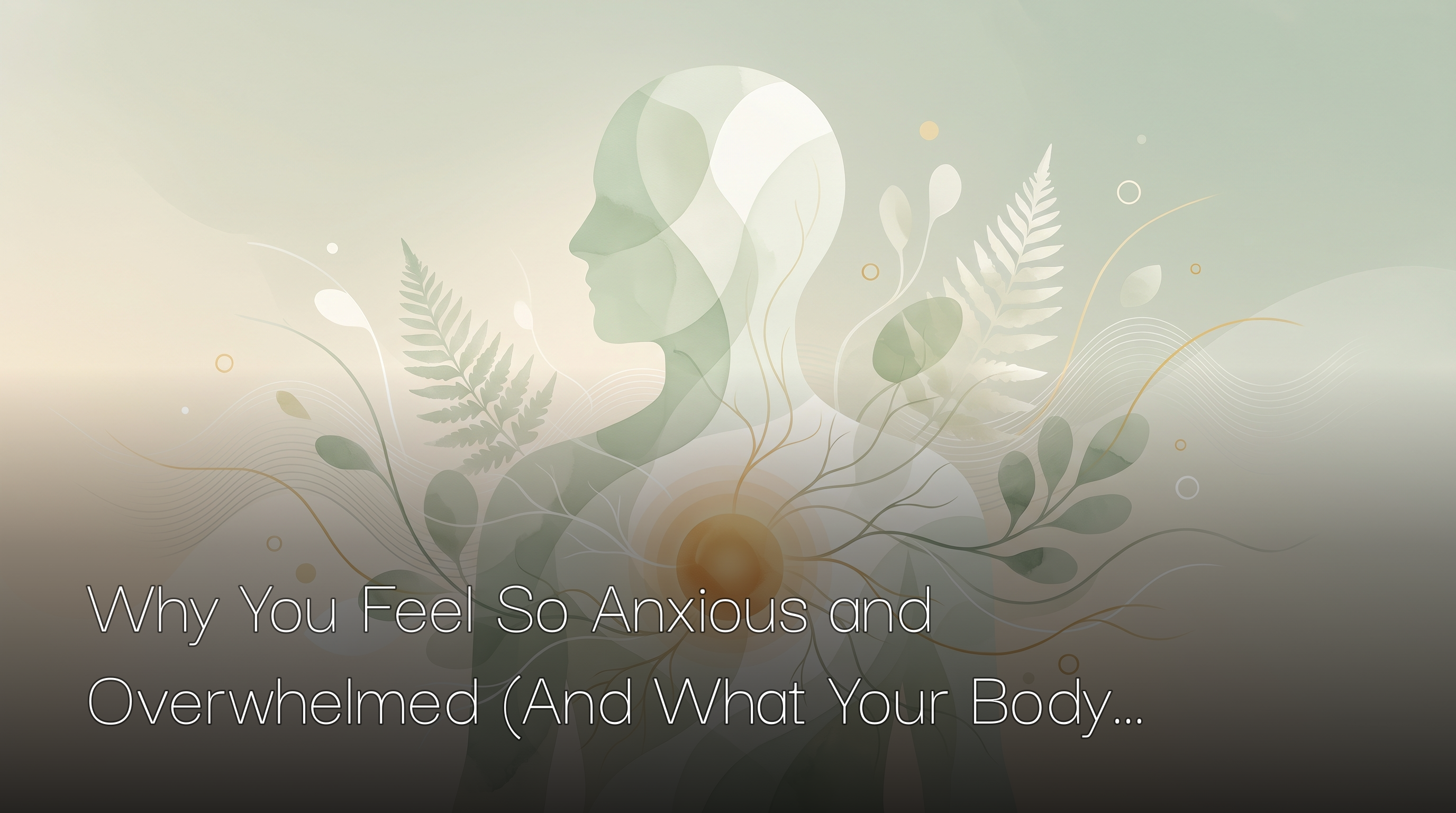
Why You Feel So Anxious and Overwhelmed (And What Your Body Actually Needs)
Why You Feel So Anxious and Overwhelmed (And What Your Body Actually Needs)
Three browser tabs open. A message you haven't replied to. A to-do list that keeps growing. And somewhere in the middle of all of it, that tight, restless feeling in your chest that you can't quite shake.
Sound familiar? You're not broken. What you're experiencing is your body doing exactly what it was designed to do, just in a context it wasn't designed for.
What's Actually Happening Inside You
When your brain detects a threat, real or perceived, it triggers a release of cortisol and adrenaline. Heart rate climbs. Muscles tense. Focus narrows. This is the classic fight-or-flight response, and for a genuine emergency, it's brilliant.
The problem is that modern life keeps that switch flipped on. Deadlines, notifications, financial pressure, relationship strain: none of these are saber-toothed tigers, but your nervous system doesn't know that. It responds the same way. When the stress signal never fully turns off, you stay in a kind of low-grade emergency state. That's where the headaches, the restlessness, the disrupted sleep, and the irritability come from. Your body runs a system designed for short sprints as though it were a marathon.
There's something else worth understanding here. The brain interprets too much simultaneous stimulation, multitasking, constantly switching between tasks, too many open tabs, as a pile of unresolved threats. It can trigger what researchers describe as a freeze stress response. So the instinct to push harder, move faster, and do more to feel less overwhelmed often makes things worse, not better.
The Misconception About Stress Relief
A lot of people assume that how to manage daily stress requires a dramatic routine overhaul. A 6am meditation practice. A complete digital detox. Two hours at the gym. And because that feels impossible, they do nothing.
Even five minutes of conscious breathing activates the parasympathetic nervous system, shifting the body from stress-mode toward recovery-mode.
Here's what the research actually shows: even five minutes of conscious breathing activates the parasympathetic nervous system, shifting the body from stress-mode toward recovery-mode (positivewellbeingpsychology.com.au). Pausing for just three to five slow, intentional breaths before starting a task or switching between activities can reduce feelings of tension almost immediately (GW Cancer Center). That's not a metaphor or a motivational line. It's a measurable physiological shift.
Small, consistent micro-habits woven into what you're already doing are more effective and more sustainable than major overhauls. The minimum effective dose is much smaller than most people think.
That said, there's an important caveat. Breathing exercises, grounding techniques, and mindfulness practices are genuinely supportive tools for natural anxiety relief, but they're not the whole answer on their own. One clinical perspective worth sitting with: anxiety is best resolved either by taking action to address the underlying problem, or by practicing genuine acceptance of things outside your control. Coping skills support you through that process, but they don't replace it. If the source of your stress is something that can be changed, the goal is to change it. If it can't be changed, the work is acceptance, not just management.
Daily Habits That Actually Move the Needle
- Move your body, even briefly: Exercise directly counteracts the stress response by metabolizing cortisol and adrenaline, essentially helping your body clear out the chemical residue of stress (positivewellbeingpsychology.com.au). It also improves sleep quality and supports emotional regulation. You don't need an hour-long session. A 20-minute walk counts.
- Prioritise sleep above almost everything else: Sleep is where the nervous system resets. Consistent sleep hygiene, same bedtime, dark and cool room, screens off before bed, buffers against overwhelm more than almost any other single habit. During major life transitions especially, maintaining stable sleep is one of the strongest defenses against burnout.
- Drink more water than you think you need: This one gets dismissed because it sounds too simple. But dehydration measurably increases stress and fatigue, and it compromises brain function (HealthierU, University of Nebraska). It's a low-barrier habit with a real impact on how you feel day to day.
- Rethink what mindfulness actually means: It doesn't require a meditation cushion or a timer. Mindfulness is simply noticing what's happening right now, in your body, your surroundings, your breath. You can practice it while making coffee, walking to your car, or washing dishes. Consistent relaxation practices lower the stress response over time, improve sleep quality, and help prevent burnout by giving the nervous system a genuine chance to reset (Quartz Benefits).
- Protect your social connections: This one tends to drop off first when people are overwhelmed, which is exactly backwards. Social connection is one of the most reliable buffers against stress accumulation. Even brief, low-effort contact matters: a short phone call, lunch with a friend, a genuine conversation rather than a quick text.
- Reduce digital noise deliberately: Not forever, not dramatically. But recognize that constant stimulation, notifications, rapid task-switching, background noise from screens, is feeding your nervous system threat signals all day. Creating even small pockets of quiet makes a real difference to your baseline stress load.
When Habits Aren't Enough
All of the above is genuinely useful. But if you're experiencing persistent anxiety, disrupted sleep, significant changes in appetite, physical symptoms like chronic muscle tension or headaches, or if your ability to function day-to-day is affected, daily habits are supportive but not sufficient. That's not a failure. It's a signal that your nervous system needs more than lifestyle adjustments can offer.
A primary care doctor, psychologist, or mental health professional can assess what's happening and point you toward the right kind of support. Reaching out is an act of self-awareness, not weakness.
Where to Start Tomorrow
Pick one thing. Just one. Set three intentional breaths as a cue before every meeting or task transition. Add a 15-minute walk after lunch. Set a consistent bedtime this week and hold it. The goal isn't a perfect wellness routine. It's a slightly more supported nervous system than you had yesterday.
This kind of progress isn't about doing everything at once. It's about doing something small, consistently, until it becomes the foundation for the next small thing.
If you're exploring additional support beyond these habits, there are holistic wellness approaches worth discovering. Speaking with a healthcare provider is always a good place to start finding what fits where you are right now.
Your body knows how to find calm. It just needs the right conditions to get there.
Bioharmony Group
We believe true health starts from within.. Subscribe to my newsletter.
Why You're Exhausted Before the Day Starts (And How to Actually Fix It) Why You're Exhausted Before the Day Starts (And What Actually Helps) You slept eight hours. The alarm goes off. And somehow you feel worse than when you went to bed. If that sounds familiar, you're not alone, and more importantly, you're not broken. Morning exhaustion that doesn't match the hours you spent in bed is one of the most common complaints people bring to their doctors, and the reasons behind it are almost never...
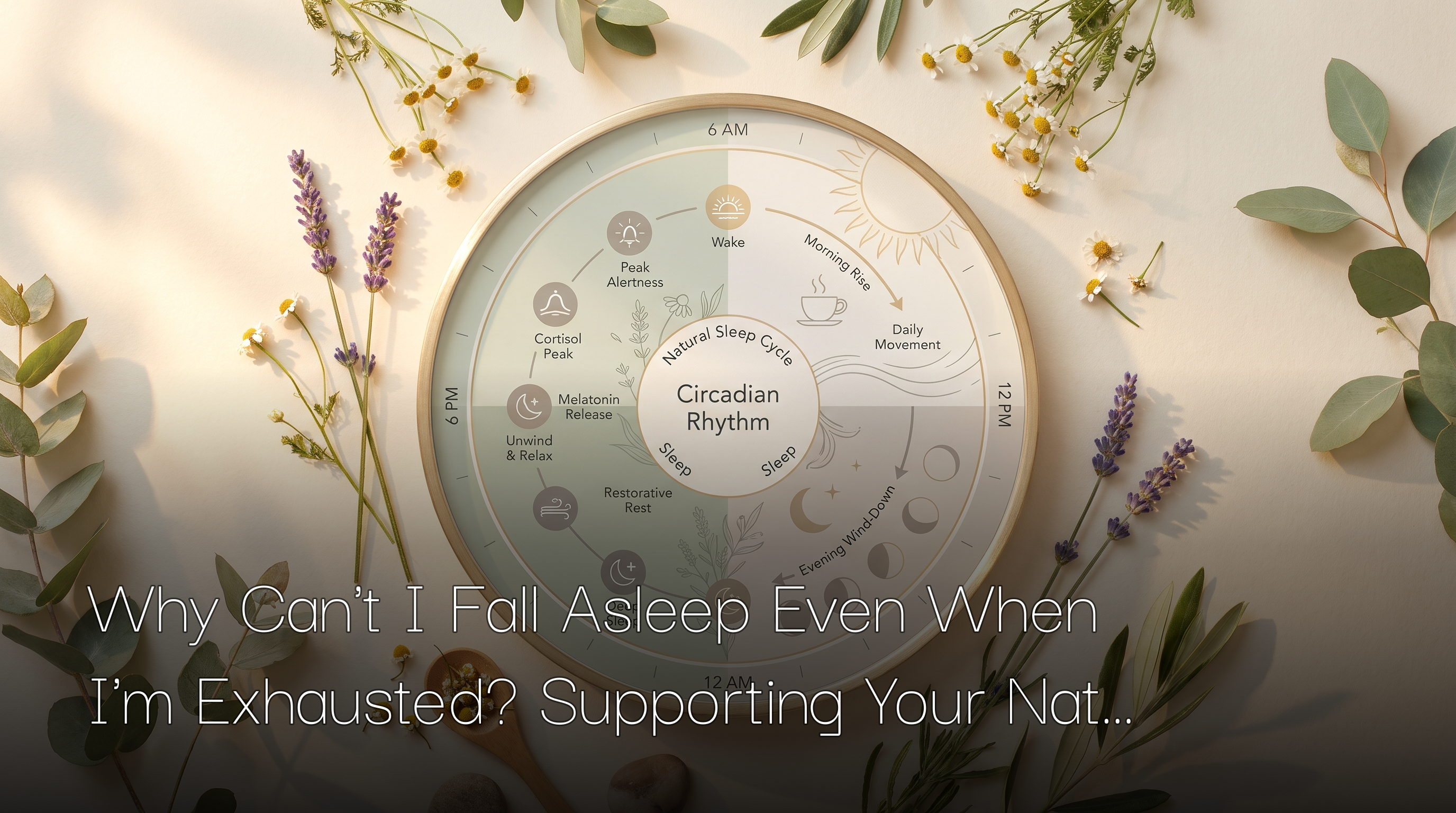
Why Can't I Fall Asleep Even When I'm Exhausted? Supporting Your Natural Sleep Cycle Through Daily Habits Your Circadian Clock Is Running the Show: Supporting Your Natural Sleep Rhythm Through Daily Habits meta-title: Support Your Natural Sleep Cycle with These Daily Habits Consider this: at 2 a.m., a nurse finishing a rotating shift sits in her car for a moment before driving home, genuinely unsure whether her body is supposed to be asleep or awake. Her circadian clock, the internal...

Why Does My Skin Look Dull and Tired? How to Support Radiant Skin From Within You slept eight hours, drank your water, cleansed your face. And yet the mirror still shows someone who looks exhausted. It's frustrating, and it's more common than you'd think. Dull skin isn't one problem with one fix. It's usually several things happening at once, most of them well below the surface. Here's what's actually going on, and what you can do about it starting today. What Actually Causes Skin to Lose Its...